Summary:
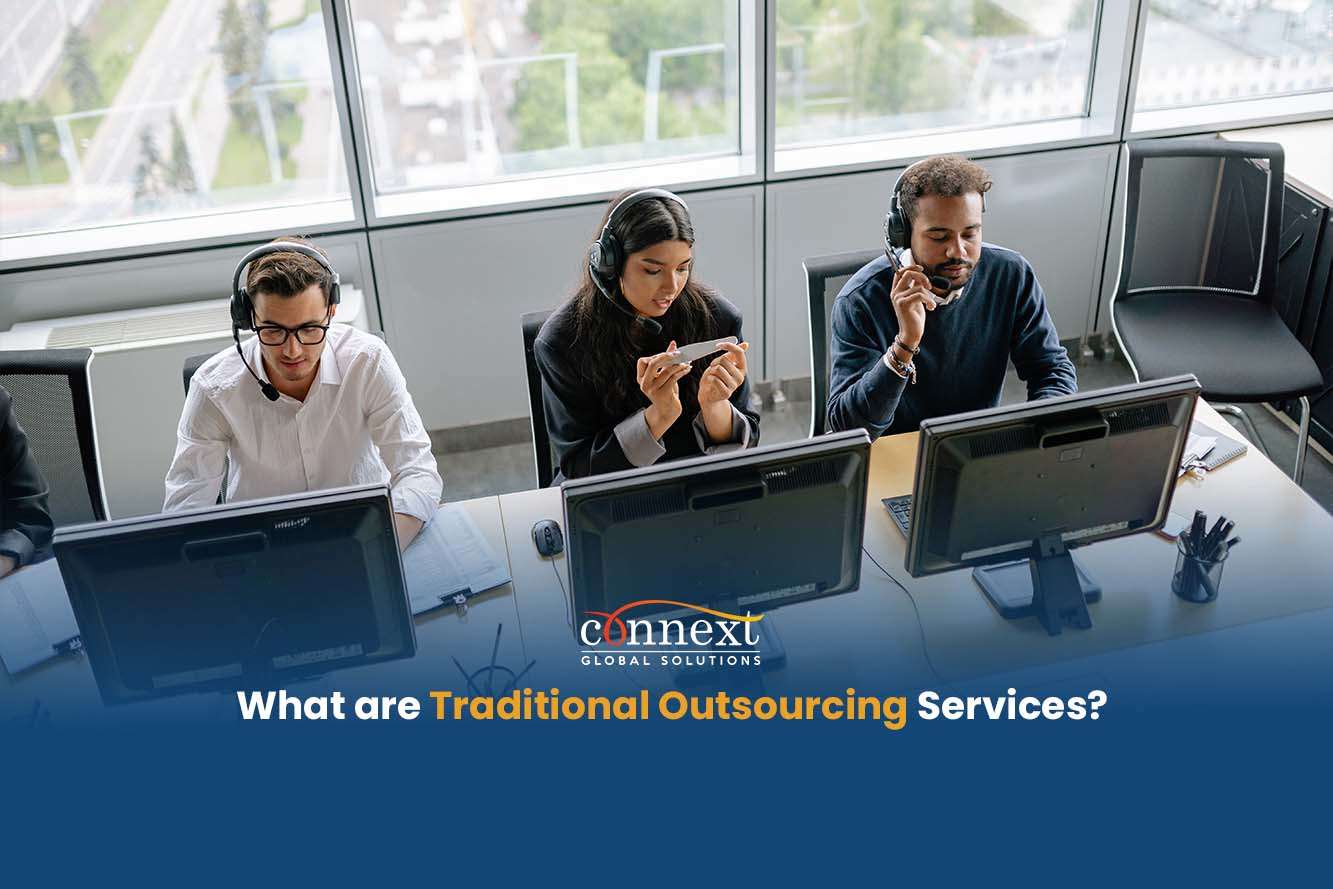
In a Traditional Outsourcing model, the vendor performs a service for the end customer. Services range from call center support, transaction management, content moderation, bookkeeping, etc. This model is incredibly common with its fairly low effort. This model, however, has also created a lot of negativity because of its rigid nature. What makes this model challenging is the lack of control, visibility, and flexibility.
Read more on the different types of business process outsourcing in our previous article.
Connext Global Solutions helps companies build custom, dedicated support teams in the Philippines. Learn more about Connext Global Solutions.
Follow us on:
Facebook: Connext
LinkedIn: Connext
Instagram: @connextglobalsolutions_
Twitter: @ConnextPh
Add Connext as a preferred source on Google — it only takes a moment and helps more professionals find our content.




You're done. Thank you!
Ready to Enhance Your Project Budgeting?
Contact us today
→


Traditional outsourcing services are business functions handled by an external vendor on behalf of a company.
Common services include call center support, bookkeeping, payroll, tax, compliance, recruiting, transaction management, and content moderation.
The main benefits include access to global talent, vendor-managed operations, compliance support, IT support, facilities, and lower internal effort.
The common drawbacks are limited visibility, less control, rigid contracts, quality concerns, and reduced flexibility.
Many providers require a minimum team size or contract value, which can make the model harder for startups and smaller businesses.
Connext helps companies build custom, dedicated support teams with more visibility, flexibility, and control compared to a rigid traditional outsourcing model.