When a new employee resigns after just a few weeks, the impact goes beyond filling the position again. Your business loses valuable time spent on recruitment, onboarding, and training, while your team absorbs the disruption.
At Connext, we understand that these challenges often start before an employee's first day. That's why we approach recruitment with long-term retention in mind. We work closely with clients to understand their operational needs, identify qualified candidates, and assess whether their motivations and expectations align with the role. This helps clients make more informed hiring decisions and reduce the risk of early turnover.
For leaders building global teams, the goal should be to hire people who can contribute, develop, and stay. In this article, I'll share practical interview questions and hiring strategies that can help you identify retention risks early, set clear expectations, and build a more stable, reliable workforce.
The interview process is where companies have the best opportunity to understand what candidates are looking for, what motivates their decisions, and whether the opportunity is truly the right fit for both sides.
Some candidates may be looking for career growth, greater stability, better leadership, or a different work environment. Others may be weighing multiple job offers. What matters is understanding each candidate’s priorities and whether your role can realistically meet their expectations.
As part of your employee retention strategies, use the candidate interview to explore their reasons for leaving and the factors influencing their next career decision. When building an outsourced team, stay involved in interviews and candidate selection to ensure alignment with your company’s culture, operational needs, and long-term goals.
Pay attention to the answers and ask follow-up questions when needed. If a candidate prioritizes career advancement, for example, discuss the development opportunities available without making promises you cannot keep.
Understanding candidate motivations before extending an offer helps reduce the risk of early turnover. As I explained in my article on employee retention, hiring talented people quickly matters. Building an environment where good people want to stay matters just as much.
A common reason employees consider leaving early is that the reality of the role does not match their expectations. According to ZipRecruiter's New Hires Survey, 26% of new hires say they would restart their job search because of mismatched expectations. This reinforces the importance of discussing workload, responsibilities, and workplace culture before day one.
Questions to consider:
Hiring managers need to look beyond the answers and pay attention to hesitation, unclear expectations, or inconsistencies. A few additional questions during the interview can prevent costly turnover and help build a more stable, reliable team.
A candidate should be able to answer: “Why this company?” Not because they memorized a company description. Because they understand the opportunity.
Candidates should understand the role they will play, the team they are joining, and how their work connects to client outcomes. Connext’s approach is built around finding the right people, putting them into the right processes, training them well, and managing them effectively to create strong outcomes.
Questions that help test this:
When employees understand their responsibilities, performance expectations, workplace culture, and available support, they are better positioned to succeed and stay with the organization. Making the right hiring decisions lays the foundation for long-term retention and consistent service delivery.
Before onboarding begins, recruiters and hiring managers should take one final look at whether the candidate's expectations align with the role and the organization. This review should focus on four key areas.
Understand why the candidate is considering a career move, what they expect from their next role, and what attracts them to your company. Explore other opportunities they may be considering and the factors driving their decision, including career growth, compensation, stability, workplace culture, work arrangements, and responsibilities. This helps you identify potential retention risks early and assess whether the candidate's expectations align with your team's long-term needs.
Confirm that compensation expectations have been addressed and identify any competing offers or unresolved concerns. The time between the initial interview and offer acceptance can also provide useful context, particularly if the candidate expressed hesitation along the way.
Make sure the candidate understands their day-to-day responsibilities, performance expectations, reporting structure, and work schedule. Any differences between what was discussed during the interview and what the role requires should be resolved before their start date.
Connext operates across five locations, including Hawaii, Mexico, Colombia, India, and the Philippines, with most teams working the same hours as their U.S. clients. We clarify these expectations during recruitment so candidates understand the schedule they are committing to, and clients can build teams that collaborate effectively during their normal business hours.
Confirm that the hiring manager has established a connection with the candidate and, where possible, introduced them to the team. Candidates should know who they will be working with, how they will be supported, and why their contributions matter to the organization and its clients.
The final checkpoint helps hiring teams identify and resolve potential mismatches before they lead to early turnover. At Connext, we assess candidates’ qualifications, motivations, and expectations to help clients make better hiring decisions, reduce turnover, and maintain consistent team performance.
Look Beyond Qualifications to Assess Long-Term Fit
Finding qualified candidates is only part of making a successful hire. You also need a recruitment process that evaluates whether candidates have the skills, experience, and capabilities to meet your operational requirements.
At Connext, custom recruiting goes beyond finding qualified candidates. We start by understanding your business needs and aligning job descriptions with your operational requirements. Through AI-enabled screening, structured candidate assessments, and Operations Manager interviews, we present carefully vetted professionals so you can focus on selecting the right people for your team.
From January to September 2026, we received 101,223 applications and endorsed just 2,348 candidates to clients, approximately the top 2% of applicants. This selective helps narrow the candidate pool, so you can focus your time on professionals who have already undergone multiple screening stages.
Through our recruitment process, you receive a carefully screened shortlist while retaining control over the final hiring decision. You interview the shortlisted candidates, assess their fit with your team and operating environment, and select who joins your organization.
When someone leaves within the first 30 to 90 days, the exit conversation should focus on learning. Questions leaders can ask:
The goal is to identify patterns. If multiple employees raise the same concerns, leaders should review where the hiring or onboarding process is falling short and make specific improvements. Early resignations provide valuable feedback, but only when organizations use that information to prevent the same issues from happening again.
Retention starts with the decisions made before someone joins the team and continues through the support they receive after onboarding. At Connext, we bring recruitment, client involvement, operational accountability, and employee development together to help clients build teams that perform and stay.
As I mentioned, our custom recruiting process combines AI-enabled screening, a database of more than 10,000 candidates, and structured assessments. Each candidate packet includes interview notes, assessment scores, working interviews, and reference checks, giving clients the information they need to evaluate qualified professionals and make informed hiring decisions.
Connext helps companies build dedicated offshore teams of 3 to 500 employees. Through co-management, clients retain control over hiring, workflows, and performance, while we manage recruitment, HR, compliance, and infrastructure. This model offers an alternative to establishing a Global Capability Center (GCC), allowing clients to scale without the costs and complexities of managing a foreign legal entity.
Every client receives a dedicated Operations Manager who conducts weekly performance reviews. We also use employee retention and exit insights to improve our recruitment and management practices, helping clients maintain visibility into performance and address issues before they disrupt operations.
Our teams average more than three years of tenure, supported by Connext University and its four academies focused on management, business, professional, and life skills. Connext is also Great Place to Work® Certified, reflecting our commitment to creating an environment where employees can develop their capabilities and build long-term careers.
About 94% of new hires stay through their first 90 days, and 91% stay through their first six months. These results demonstrate the importance of clear expectations, thoughtful recruitment, and ongoing employee support in helping clients reduce early turnover and maintain operational continuity.
Connext maintains an annual attrition benchmark of 20%, less than half the 50% rate reported among large BPOs. Lower turnover helps clients preserve institutional knowledge, avoid repeated recruitment and training cycles, and maintain experienced teams that understand their operations.
For our clients, the value goes beyond filling positions. When the right people stay, they develop stronger business knowledge, take greater ownership of their work, and contribute to more consistent operations over time.
[ Recommended-Resource ]
Career growth and leadership development can strengthen employee retention by giving people opportunities to advance within the organization. At Connext, employees have taken different paths, from earning their first promotion to moving into leadership roles.
These stories highlight their experiences:
Grace Sanchez | Career Progression
From escrow processor to operations leadership.
Cheska Mago | Professional Growth
The impact of earning a first promotion.
Jorj Austria | Leadership and Mentorship
Helping a team member grow into an Operations Manager role.
Better retention starts with the hiring decisions you make. By understanding candidate motivations, setting clear expectations, and assessing long-term fit, you can reduce early turnover and avoid costly disruptions to your operations. A disciplined hiring process helps you build stable, reliable teams that can grow with your business.
Schedule a free workforce consultation with a Connext specialist to explore how our recruitment, training, and co-management approach helps you hire the right people, set clear expectations, and improve long-term retention.
Visit connextglobal.com/contact or email sales@connextglobal.com.
Add Connext as a preferred source on Google — it only takes a moment and helps more professionals find our content.




You're done. Thank you!
Ready to Enhance Your Project Budgeting?
Contact us today
→


You can reduce early employee attrition by understanding what motivates candidates, discussing competing opportunities, and setting clear expectations before extending an offer. During the candidate interview, ask about workload preferences, communication requirements, management expectations, company culture, and career goals. These discussions help you identify potential mismatches early and make hiring decisions that support long-term retention.
A realistic job preview gives candidates a clear understanding of daily responsibilities, workload, team structure, performance expectations, and workplace culture. By communicating these details before an offer is accepted, you help candidates evaluate whether the role meets their expectations. This reduces the risk of early resignations and supports improving employee retention.
To improve quality of hire, look beyond technical qualifications and previous experience. Assess how candidates communicate, adapt to challenges, and approach the responsibilities of the role. Use structured interview questions and realistic work scenarios to evaluate whether they can meet your operational needs and perform consistently over time.
Effective employee retention strategies begin with transparency throughout the hiring process. Clearly communicate compensation, work schedules, reporting relationships, career development opportunities, and performance expectations. Give candidates opportunities to raise concerns and resolve potential misunderstandings before they accept an offer. This helps you build trust and establish a stronger foundation for retention.
Review resignations within the first 30 to 90 days to understand where candidate expectations and actual job conditions may have differed. Exit conversations can reveal gaps in workload expectations, management support, communication, or career development. Use these insights to refine your interview questions, improve realistic job previews, and strengthen future hiring decisions.
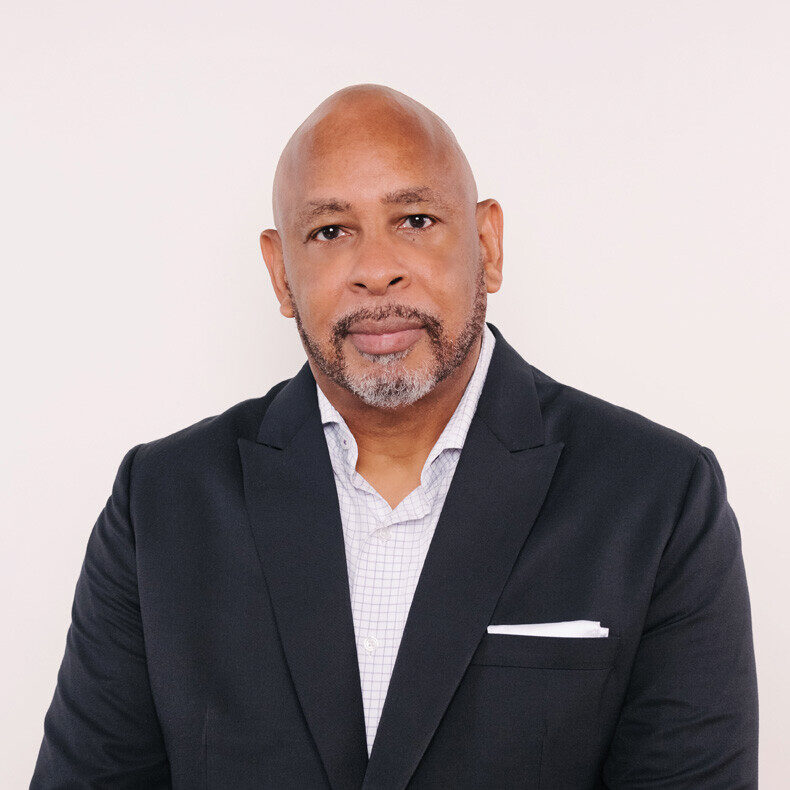

Early attrition is often a hiring alignment problem rather than a retention failure . Discover how Ron Rhodes outlines key interview checkpoints to test candidate expectations, workload realities, and long-term fit before day one.
Find out more

Bill Kohnen explains why AI in the financial close is a SOX accountability question, what auditors will ask, and five practical steps CFOs can take to keep human control real.
Find out more
Tim Mobley explains why navigating the AI skills gap requires hiring adaptable talent, investing in workflow automation training, and retaining institutional knowledge. Read more.
Find out more