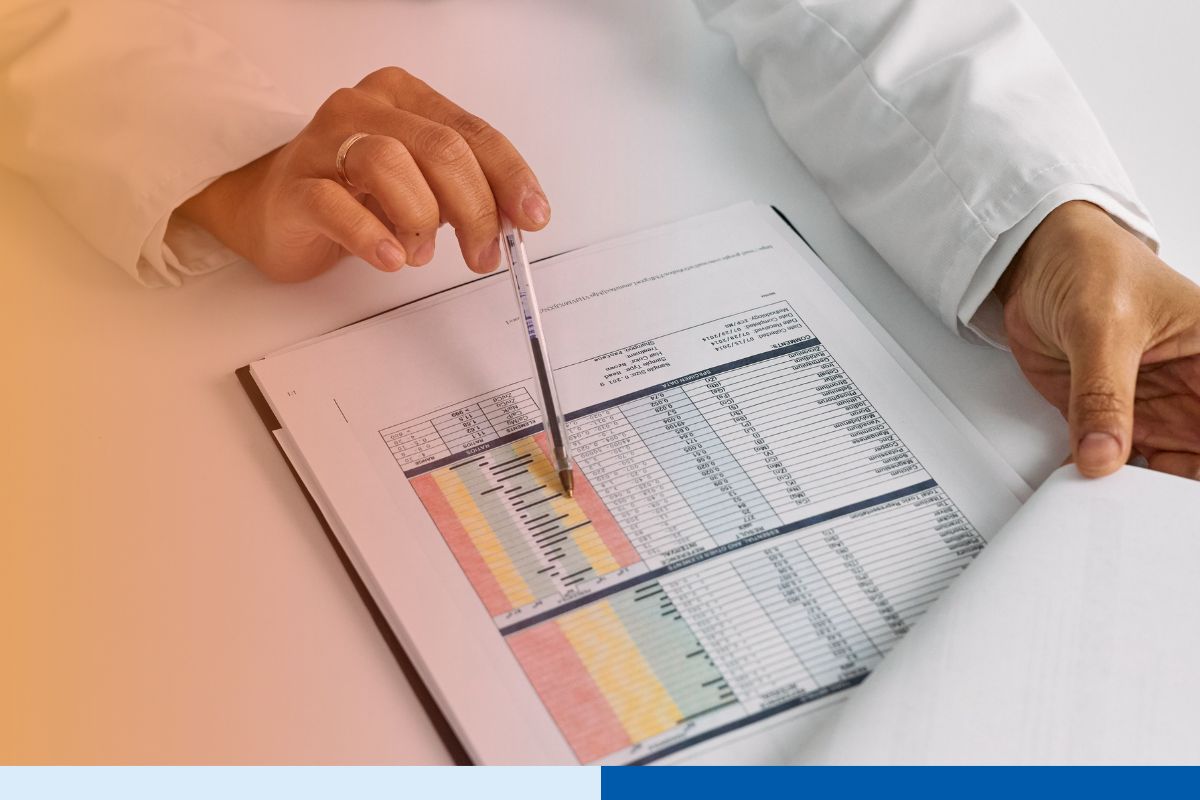



Manual data entry is rarely anyone's favorite job, yet most businesses still run large volumes of it: order forms, CRM records, invoices, medical claims, product catalogs. Handling all of that in-house pulls skilled staff away from higher-value work and drives up headcount costs.
That is why a growing number of US and UK companies now outsource data entry to India. India offers one of the world's largest back-office talent pools and a mature outsourcing infrastructure built over three decades.
This guide breaks down why India remains a top destination for data entry outsourcing. You'll find typical costs, how to evaluate a provider, and the risks worth planning for before you sign a contract.
Why Businesses Are Outsourcing Data Entry to India
India has been a global back-office hub since the mid-1990s, when companies like American Express and GE opened processing centers near Delhi. That head start turned into scale. NASSCOM's 2025 Strategic Review puts India's business process management (BPM) sector at $54.6 billion in revenue for FY2025, within a technology industry that employs 5.8 million people nationwide.
That scale matters for data entry specifically. A large, English-speaking, tech-literate workforce means providers can staff up quickly, even for high-volume seasonal projects, without the long hiring cycles common in tighter domestic labor markets.
Demand is rising for a second reason: this work is shrinking as a domestic career path. The U.S. Bureau of Labor Statistics projects continued long-term decline in data entry keyer employment through 2034, with the median U.S. wage now $41,340 a year. Fewer people are training for the role at home, even as the volume of business data keeps growing. Outsourcing fills that gap.
Deloitte's 2025 outsourcing report found that 81% of organizations plan to increase outsourcing over the next three to five years. Strategic partnerships in that report delivered average annual cost savings of 10% to 25% on outsourced contracts. For labor-intensive, repeatable work like data entry, providers with dedicated recruiting and training infrastructure typically deliver savings well above that baseline.
What Data Entry Work Can You Move to India
Not all data entry work is the same, and a good partner will scope your specific mix before building a team. In practice, most engagements fall into a handful of common categories:
- Online and offline data entry from forms, scanned documents, or spreadsheets
- CRM and ERP data input and cleanup (Salesforce, HubSpot, SAP, Microsoft Dynamics, and similar platforms)
- Document digitization and indexing for records management
- Medical and insurance claims data entry
- Invoice, purchase order, and billing data entry
- Product catalog and eCommerce listing management
- Survey, feedback, and form data processing
Some of this work is one-time (digitizing an archive), and some is ongoing (daily order entry, weekly billing runs). Either model works well offshore, but the setup differs. Project-based work needs a clear scope and timeline upfront. Ongoing work benefits more from a dedicated, trained team that learns your systems and edge cases over time.
What it Actually Costs
Cost is usually the first question, and the honest answer is: it depends on volume, complexity, and how the engagement is structured.
In the U.S., a full in-house data entry role carries a fully loaded cost well above base salary once you add payroll taxes, benefits, software, equipment, and management overhead. The median U.S. wage for a data entry keyer is $41,340 a year, and that is before those additional costs are factored in.
Offshoring to India changes that math. Connext clients typically see back-office cost reductions when moving data entry work to an India-based team, while still keeping full visibility into performance and quality.
That is consistent with the broader market. Deloitte’s 2025 Global Business Services Survey found that roughly 50% of organizations with a global GBS leader reported average savings above 20% from their GBS and outsourcing models. Labor-intensive, high-volume functions such as data entry and back-office work typically achieve some of the highest percentage savings in outsourcing, often cited in the 55–70% range depending on location and scope.
The bigger driver of savings, though, is what you don't pay for. A managed India-based team comes with recruiting, training, IT infrastructure, office space, and compliance already built in, so there is no separate line item for any of it.
How to Choose a Data Entry Outsourcing Partner in India
Price is easy to compare. Fit is harder, and it's what actually determines whether the engagement works. A few questions are worth asking before you sign anything:
- How do they recruit and vet talent? - Look for a defined process, not just a resume database. Ask what a typical candidate pipeline looks like and how long it takes to fill a role.
- Who manages quality day to day? - Data entry errors compound fast if nobody is checking for them. A dedicated operations manager, not just a shared account rep, should own accuracy and turnaround for your account.
- What security certifications do they hold? - For anything touching customer, financial, or health data, ask about SOC 2, HIPAA, ISO 27001, or PCI compliance. Also confirm how access controls work in practice.
- How do they handle scale and turnover? - Ask what happens if a team member leaves mid-project, and how quickly a replacement is trained and ready.
- Can you start small? - A short pilot project, rather than a full team build, is a low-risk way to test accuracy, communication, and turnaround before committing to a larger engagement.
Managing Security, Quality, and Continuity Risk
The two concerns that come up most with any offshore data entry engagement are data security and staff turnover. Both are solvable with the right setup, but only if you plan for them upfront.
On security, insist on office-based (not remote, uncontrolled) setups for anything involving sensitive customer, financial, or health data, along with documented access controls and audit trails. Providers built for regulated industries typically carry SOC 2 Type II, HIPAA, ISO 27001, or PCI DSS certification. Ask them to show you how those controls apply to your specific workflow.
On turnover, ask for real numbers, not general industry averages. India's BPM sector is large and competitive for talent, and turnover varies significantly by provider. A dedicated operations manager, structured onboarding, and clear escalation paths for issues all reduce the risk that a departing employee disrupts your data quality or turnaround time.
The goal isn't to eliminate risk entirely. No outsourcing arrangement does that. It's to work with a partner that treats security and continuity as part of the service, not an afterthought you have to manage yourself.
Conclusion
Outsourcing data entry to India is a proven way to cut costs and free up your team for higher-value work. But the partner you choose matters more than the country. Look for dedicated recruiting, real security credentials, and active day-to-day management, not just a lower rate card.
Connext builds India-based data entry teams with all of that built in: vetted talent, security practices aligned to SOC 2, and a dedicated Operations Manager for every account. Learn more about outsourcing data entry to India with Connext, or get in touch to talk through your specific workflow.
Related Reads
Like what you’re reading?
Add Connext as a preferred source on Google — it only takes a moment and helps more professionals find our content.




You're done. Thank you!