
Summary:
- Traditional outsourcing is a vendor-led service model.
The vendor performs specific functions for the client, such as call center support, bookkeeping, transaction management, or content moderation. - The model is common because it requires low effort from the client.
Vendors usually handle recruiting, payroll, compliance, IT support, facilities, and turnover management. - Traditional outsourcing can limit control and visibility.
Clients often have little insight into who is doing the work, how tasks are completed, or how efficient the operation really is. - Flexibility is one of the biggest challenges.
Traditional outsourcing often requires scale, long-term contracts, and rigid structures that may not fit small to mid-sized businesses or fast-changing teams.
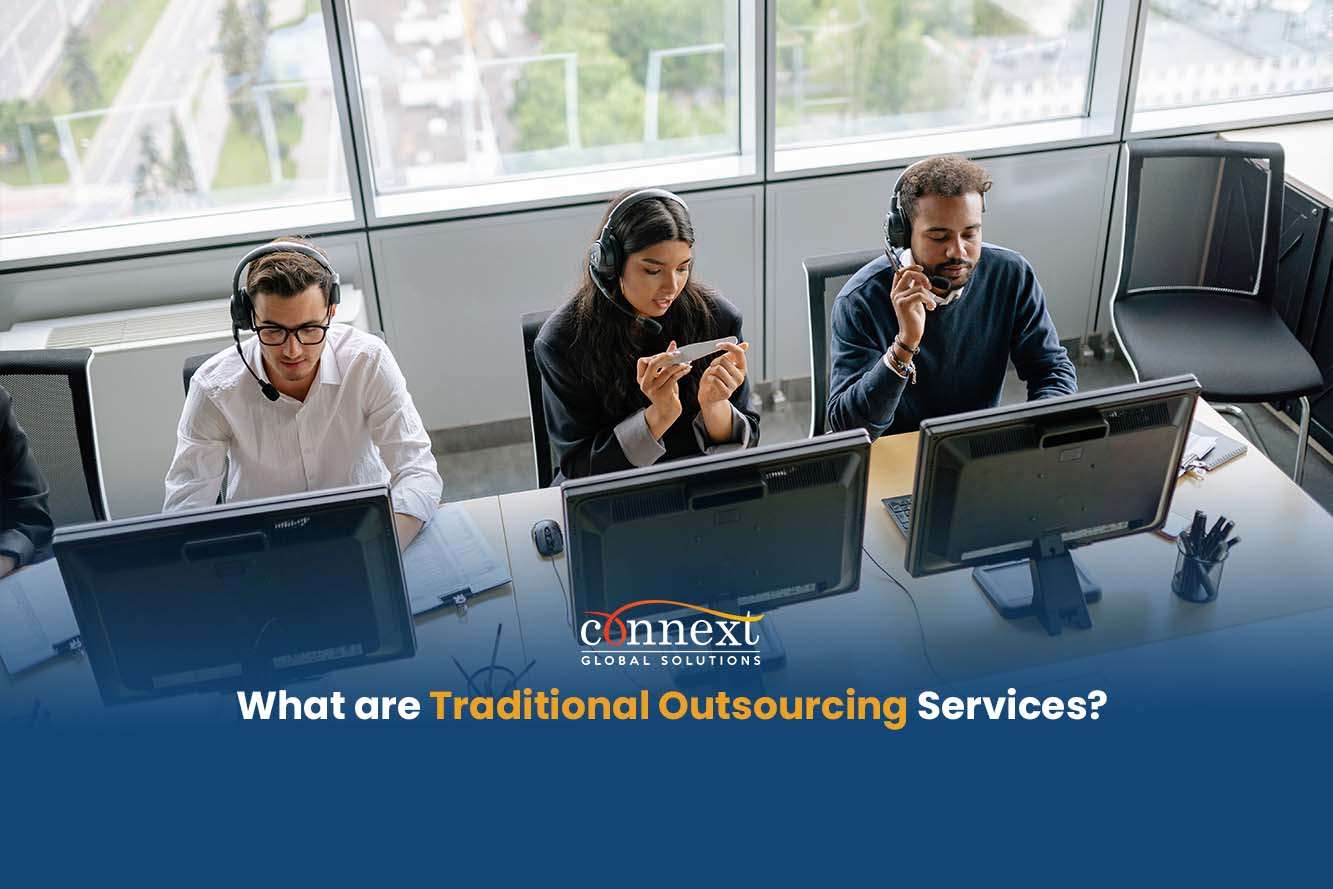
What are Traditional Outsourcing Services?
In a Traditional Outsourcing model, the vendor performs a service for the end customer. Services range from call center support, transaction management, content moderation, bookkeeping, etc. This model is incredibly common with its fairly low effort. This model, however, has also created a lot of negativity because of its rigid nature. What makes this model challenging is the lack of control, visibility, and flexibility.
Traditional Outsourcing Services
- Payroll
- Tax
- Compliance
- Recruiting
- Management
- Facilities
- IT Support
- Recruiting
- Turnover Management
Strengths
- Access to global talent
- Compliance
- Low Effort
- Vendor Manages Turnover
- IT and Facilities Support
Weaknesses
- Requires Scale
- Traditional outsourcing relationships require companies to start at a certain scale for it to work. This can make it prohibitive for small to mid-sized businesses and startups.
- Long-Term Contracts
- Most traditional outsourcing contracts are 1-2 year commitments and are rigid in nature.
- Lack of Visibility, Control, And Flexibility
- There is no insight into who is performing the work and how it is being done. There is high-level account management, but it is difficult to get an insight of how efficient the service really is.
- Quality Control
- In this model, there is high level quality control, but for most clients the outcomes are less than ideal.
Read more on the different types of business process outsourcing in our previous article.
Connext Global Solutions helps companies build custom, dedicated support teams in the Philippines. Learn more about Connext Global Solutions.
Follow us on:
Facebook: Connext
LinkedIn: Connext
Instagram: @connextglobalsolutions_
Twitter: @ConnextPh
Frequently Asked Questions
1. What are traditional outsourcing services?
Traditional outsourcing services are business functions handled by an external vendor on behalf of a company.
2. What services are commonly outsourced?
Common services include call center support, bookkeeping, payroll, tax, compliance, recruiting, transaction management, and content moderation.
3. What are the benefits of traditional outsourcing?
The main benefits include access to global talent, vendor-managed operations, compliance support, IT support, facilities, and lower internal effort.
4. What are the disadvantages of traditional outsourcing?
The common drawbacks are limited visibility, less control, rigid contracts, quality concerns, and reduced flexibility.
5. Why does traditional outsourcing require scale?
Many providers require a minimum team size or contract value, which can make the model harder for startups and smaller businesses.
6. How is Connext different from traditional outsourcing?
Connext helps companies build custom, dedicated support teams with more visibility, flexibility, and control compared to a rigid traditional outsourcing model.